10 CV mistakes that can prevent you from getting a job interview
In recent years, most companies have adopted Applicant Tracking Systems (ATS), which are programs that read and filter resumes before they reach the HR manager. These systems search for keywords, review the file format, and compare its content to the job requirements. Therefore, a good resume might be rejected due to simple errors in wording or formatting.
Employer requirements also vary from one country to another within the Gulf. In Saudi Arabia, many companies value practical experience and measurable results, while companies in the UAE focus on professional skills and the ability to work in multinational environments. Companies in Kuwait, Qatar, Bahrain, and Oman prioritize clarity of information and readability of the resume, highlighting experiences relevant to the job.
In this article, we will review the ten most common mistakes job seekers make when preparing their resumes, explaining the impact of each mistake and how to avoid it. This will help you increase your chances of securing job interviews in Saudi Arabia, the UAE, Kuwait, Qatar, Bahrain, and Oman, whether you are a recent graduate or have many years of experience.
Mistake #1: Using the Same Resume for All Jobs
One of the most common mistakes is sending the same resume to all companies without any modifications, even though each job has different requirements. You might apply for a sales manager position, then use the same resume to apply for a business development or customer service role, despite the different skills and experience required for each job.
When a recruiter reads your resume and finds that it doesn't focus on the skills required for the job, they will likely move on to another candidate whose resume seems more relevant to the advertisement. Also, ATS systems rely on keywords in the job description, so a lack of personalization in your resume can reduce your chances of appearing in the top search results.
To avoid this mistake, carefully read the job advertisement before submitting your application and identify the most important skills and requirements mentioned. Then, edit your professional summary, rearrange your work experience so that the most relevant experiences appear first, and add the keywords the company uses naturally within your resume.
This doesn't mean writing false information, but rather presenting your genuine experience in a way that suits the job you're applying for. This increases your chances of passing the ATS (Application System Testing) and gives the recruiter the impression that you're genuinely interested in the position.
The Second Mistake: Writing a General Professional Summary That Offers No Value
The professional summary is the first part the recruiter reads after your name. However, many people write general statements like: "I'm looking for a suitable job opportunity that will help me develop my skills and work within a successful team."
These statements don't reveal who you are, don't tell the company what you can offer, and anyone can use them. Therefore, they don't add any real value to your resume.
A good professional summary should highlight your specialization, years of experience, key skills, major achievements, and the value you can bring to the company.
For example, instead of writing:
I am looking for a suitable job at a reputable company.
You could write:
Digital Marketing Specialist with five years of experience in managing advertising campaigns, improving search engine results, and increasing conversion rates, with experience in managing advertising budgets and analyzing data using Google Analytics.
This way, the recruiter gets a clear picture of your experience from the very beginning of reading your resume.
Third Mistake: Spelling or Grammatical Errors
A spelling mistake may seem minor, but it leaves a very negative impression, especially in jobs that require communication, reporting, or dealing with customers.
Many recruiters consider spelling mistakes a sign of carelessness or hasty submission of a resume without proofreading, which can make them doubt the quality of work you will deliver if hired.
Common mistakes include misspelling company names, missing words, inconsistent dates, or using slang within the resume.
To avoid this mistake, proofread your resume multiple times before sending it, use spell-checking tools, and ask someone else to read it, as the eye may miss some errors after reading the text several times.
It is also preferable to use a consistent style for dates and addresses, and to use clear, professional language, avoiding incomprehensible abbreviations or slang.
Mistake Four: Not Using the Keywords Companies Are Looking For
Most companies today, especially in Saudi Arabia, the UAE, Kuwait, Qatar, Bahrain, and Oman, rely on Applicant Tracking Systems (ATS) to screen resumes before they reach the hiring manager. These systems search for keywords related to the job, so if your resume doesn't contain the appropriate terminology, it may be automatically disqualified even if you have all the required qualifications.
For example, if the job requires experience in project management using Agile or Scrum, and you only write "project management" without specifying the required methodologies, the systems may not consider your resume a match for the job requirements. The same applies to technical programs, professional certifications, and specialized skills.
Therefore, be sure to read the job posting carefully and use the same terminology if it accurately reflects your experience. Don't add words you're unfamiliar with, but also don't use completely different terminology than what companies use.
Mistake 5: Focusing on Daily Tasks Instead of Achievements
One of the mistakes that weakens a resume is writing a long list of daily tasks without specifying the results you achieved. The hiring manager doesn't just want to know what you did; they want to know the value you added to your previous company.
Instead of writing:
I was responsible for following up with customers and responding to their inquiries.
You can write:
I contributed to increasing customer satisfaction by 25% by improving response times and developing a system for tracking technical support requests.
Using numbers makes achievements more compelling, whether they relate to sales, the number of clients, project size, growth rate, cost reduction, or productivity improvement. These details give the hiring manager a clearer picture of your true impact within the work environment.
Mistake Six: Using a Complex, Hard-to-Read Design
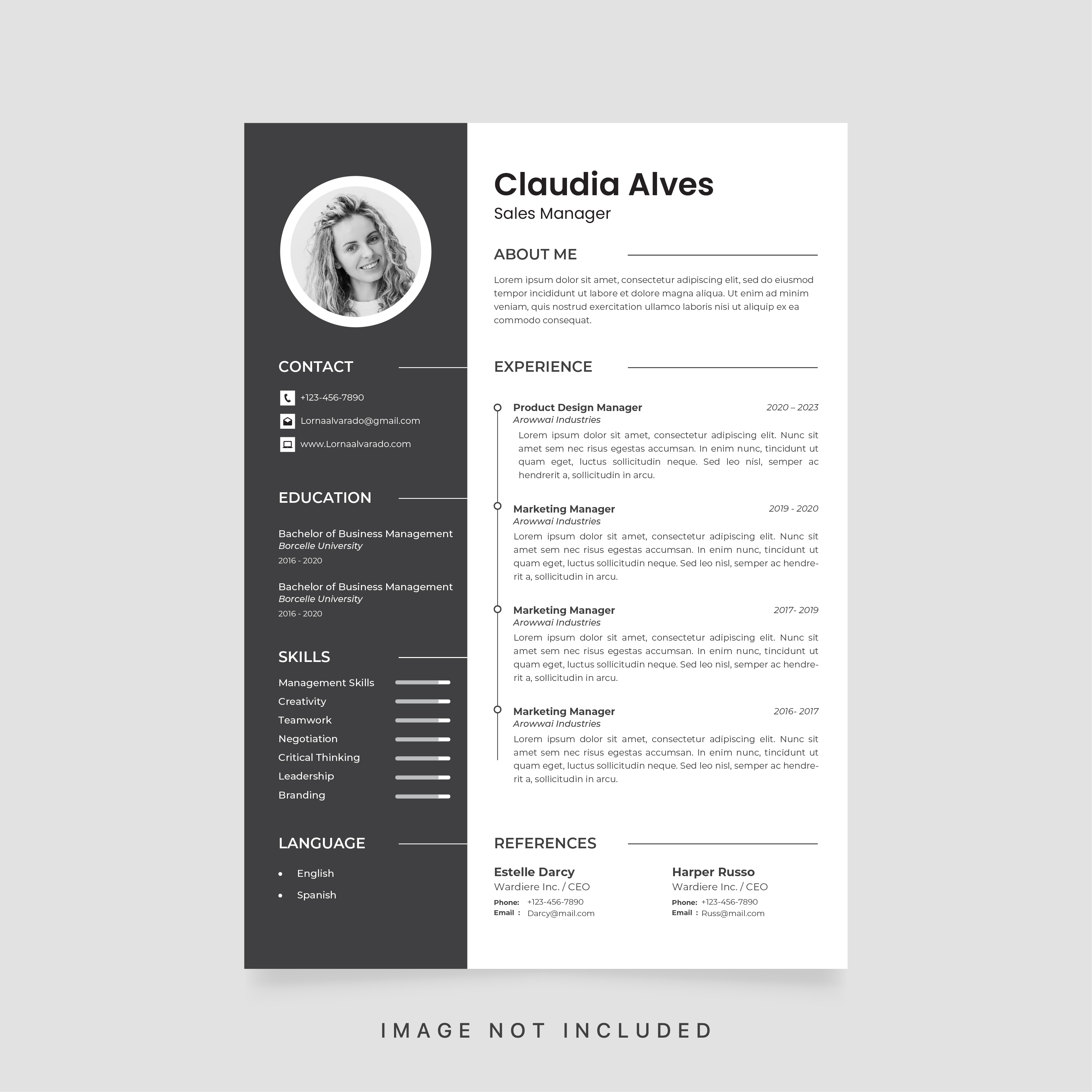
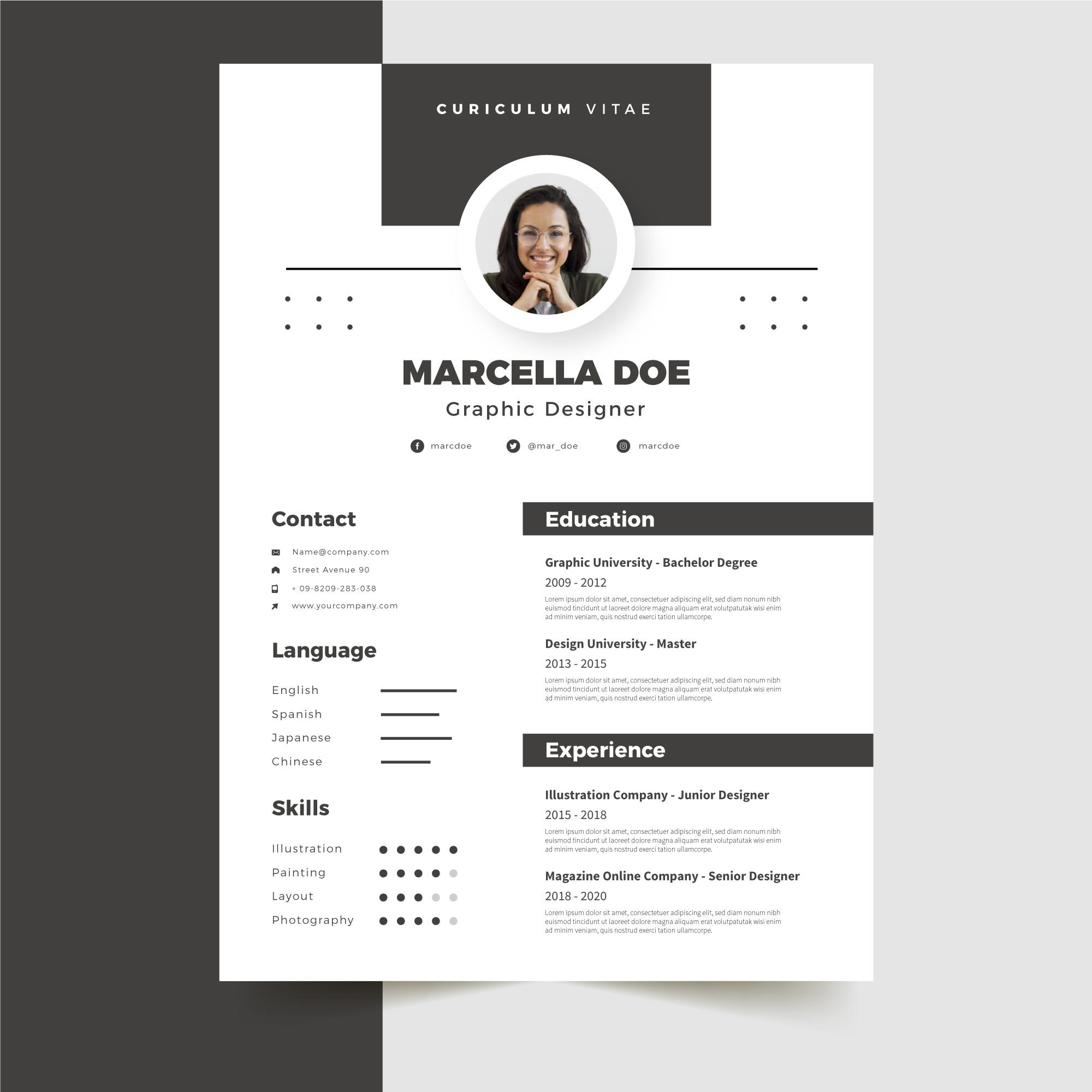
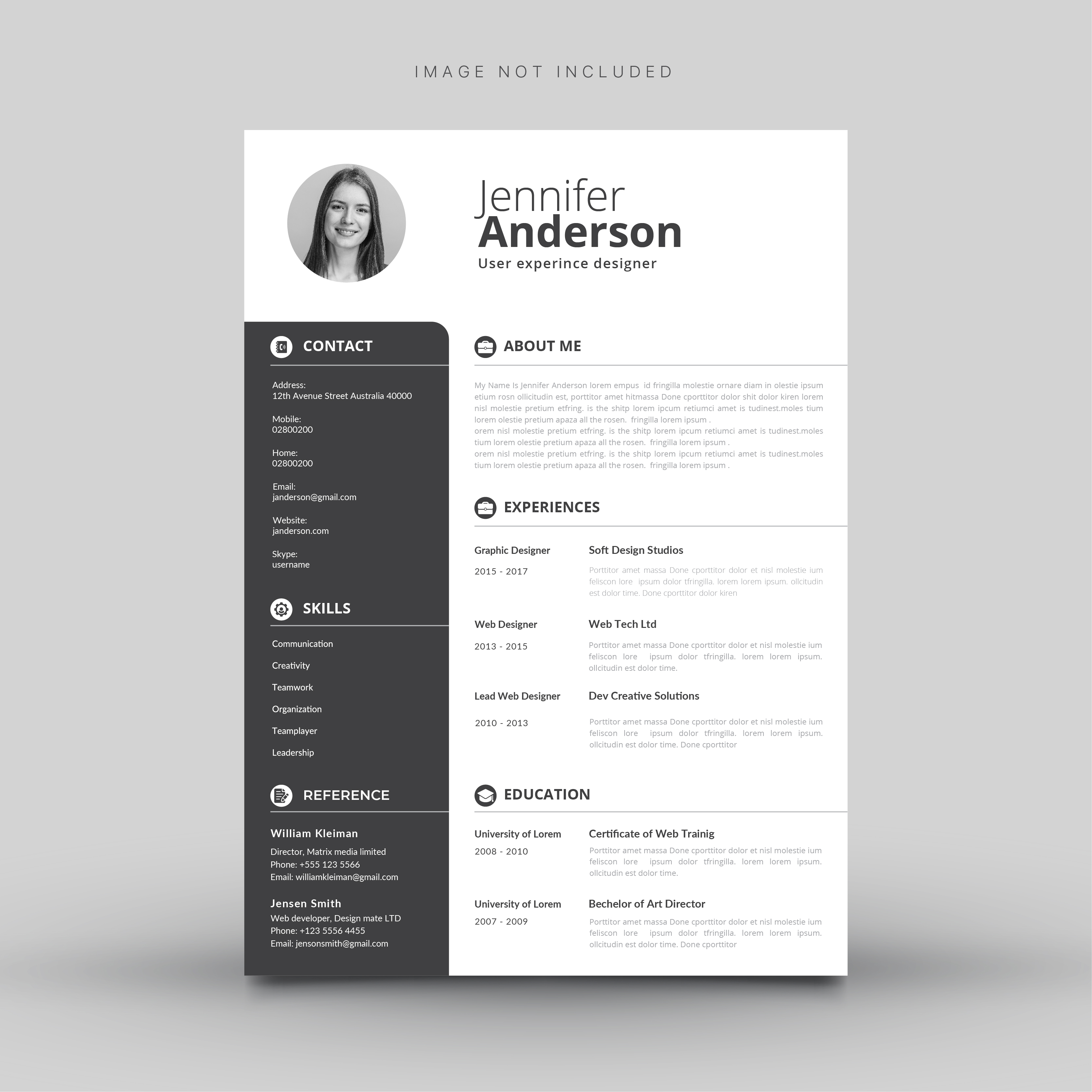
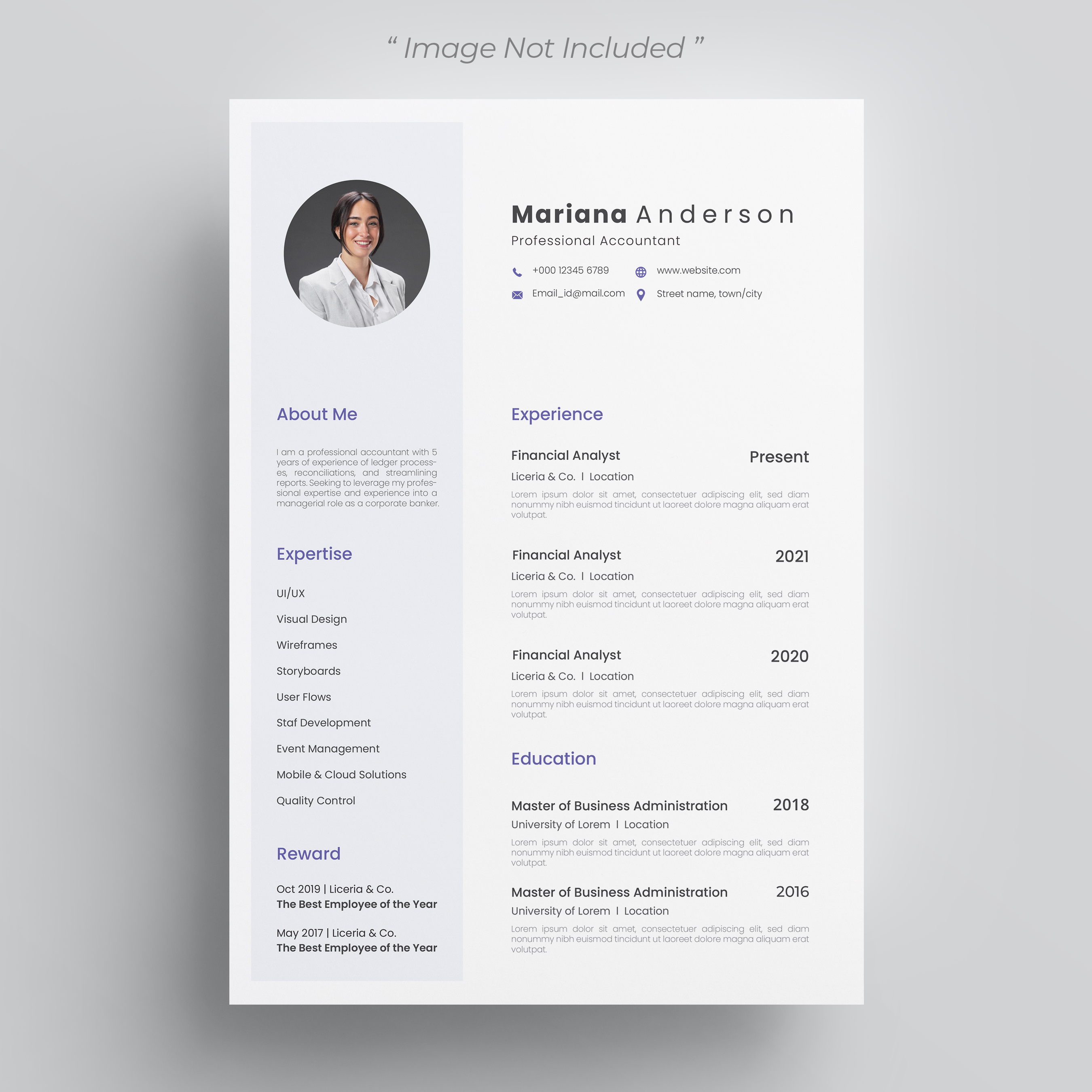
Some job seekers focus more on the design of their resumes than their content, using too many colors, complex tables, excessive icons, or unclear fonts. While an attractive appearance can be useful in some creative fields, an overly elaborate design can cause problems when the resume is read by ATS systems or even by the hiring manager.
Professional design makes information easily accessible, not attention-grabbing with colors and embellishments. Use a clear font, well-organized headings, and appropriate spacing between sections, while maintaining a simple page that is easy to read on both phones and computers.
It is also preferable to save the resume in PDF format if the employer does not require another format, as this preserves the formatting and prevents the file from changing shape when opened on different devices.
Additional Tips to Improve Your Chances of Resume Acceptance
- Check your contact information and make sure your phone number and email address are correct.
- Use a professional email address that includes your name.
- Make sure your resume file name is clear, such as: Ahmed-Mohamed-CV.pdf.
- Don't exaggerate skills or experience you don't have.
- Update your resume regularly when you get a new job or certification.
- Create a copy of your resume for each job you apply for.
- Make sure all information is arranged chronologically from newest to oldest.
- Make your resume easy to read in under a minute.
Mistake 7: Exaggerating or Including Incorrect Information
Some job seekers may think that adding False experience or exaggerating skill and language proficiency might increase your chances of being accepted, but in reality, this is one of the most serious mistakes. Most companies in Saudi Arabia, the UAE, Kuwait, Qatar, Bahrain, and Oman rely on technical interviews and practical tests to verify the information in your CV. Some companies also contact previous employers to confirm the accuracy of the stated experience.
If any false information is discovered, the applicant may be immediately disqualified, even if they possess good qualifications. Therefore, be sure to write only the truthful information, and focus on highlighting your strengths and real achievements instead of trying to convince the employer with information you cannot prove.
You can always develop your skills through training courses or practical projects, but don't mention having a certificate, experience, or advanced level in a particular program if you cannot demonstrate it during the interview.
Mistake Eight: Neglecting the Skills Section
The skills section is one of the most important sections that ATS systems rely on when comparing a resume to job requirements. However, many job seekers neglect it or write very general terms like: working under pressure, quick learner, taking responsibility, without specifying any technical or professional skills related to their field.
If you work in accounting, it is best to mention the programs you use, such as Excel, SAP, and QuickBooks, if you have experience with them. If you work in digital marketing, it is important to mention tools like Google Ads, Google Analytics, Meta Ads Manager, SEO, and other tools related to your field.
For administrative jobs, you can focus on skills in report writing, project management, team management, planning, communication, and problem-solving. Choosing the right skills increases the chances of your resume appearing when using online recruitment systems.
Mistake Nine: Not Updating Your Resume Regularly
Some people create their resume once and then use it for years without updating it, even though they may have obtained new jobs, professional certifications, training courses, or achievements worth adding during that time.
Your resume should be a living document that is constantly updated. Therefore, it is recommended to review it every few months, even if you are not currently looking for a job. When you add any new projects, certifications, promotions, or additional responsibilities, update it immediately so that it is ready at any time.
It is also advisable to delete outdated information that no longer adds value, especially if you have extensive experience that makes some of your previous jobs irrelevant to the hiring decision.
Mistake Ten: Sending Your Resume Without Reviewing It
After finishing writing your resume, many people make the mistake of sending it directly without a final review. This could lead to date errors, a forgotten phone number, an outdated email address, or incorrect formatting after saving the file as a PDF.
Take a few minutes to review the entire file before submitting. Read each section carefully, ensure all links are working, information is correctly organized, and the file opens properly on both phones and computers.
It's also recommended to change the file name to a professional one, such as:
Ahmed-Mohamed-CV.pdf
Instead of names like:
cv-final-new-last2.pdf
Paying attention to these details conveys a professional impression and increases the recruiter's confidence in your application.
Frequently Asked Questions about Resume Mistakes
Should a Resume be only one page?
There's no hard and fast rule, but it's generally recommended to keep it to one page for recent graduates and a maximum of two pages for those with extensive experience, focusing on the most important information.
Should I include a personal photo?
This depends on the country and the employer's requirements. If a photo isn't required, only include one if it's professional and relevant to the job.
Can I use the same resume for all jobs?
It's best to tailor your resume to each job by modifying the professional summary, highlighting the experience and skills relevant to the target position, and using appropriate keywords.
What is the best format for saving a resume?
In most cases, PDF is preferred as it preserves the formatting, unless the employer requests a Word document or another format.
Conclusion
Your resume can be the deciding factor in whether you get an interview or your application is rejected before the recruiter even reads it. Therefore, avoiding the mistakes mentioned above helps you present yourself professionally and increases your chances of passing the ATS system and reaching the next stage of the hiring process.
Always keep your resume up-to-date, use appropriate keywords, focus on your real achievements, and proofread it multiple times before submitting. These simple steps can make a big difference in your chances of landing a job in Saudi Arabia, the UAE, Kuwait, Qatar, Bahrain, or Oman.
Do you need a professional CV?
If you want to increase your chances of being hired by companies, you can request a professional CV preparation service designed according to the latest international recruitment standards, taking into account ATS compliance, and highlighting your experience and skills in a professional manner suitable for jobs in Saudi Arabia, the UAE, Kuwait, Qatar, Bahrain, and Oman. Click the Get Product button at the bottom of the article to start your service request, and our team will work on preparing a CV that helps you stand out from other applicants and increases your chances of getting job interviews.