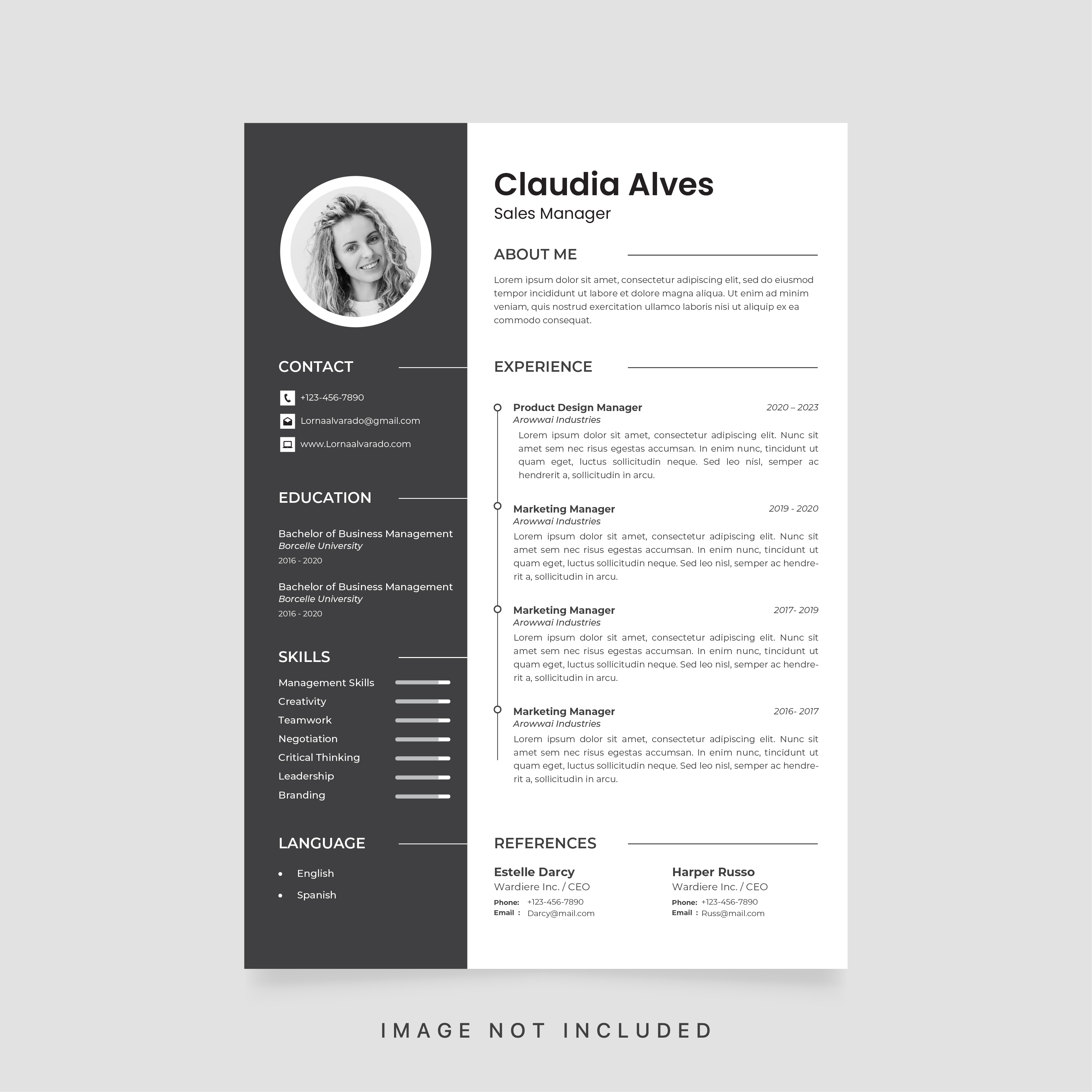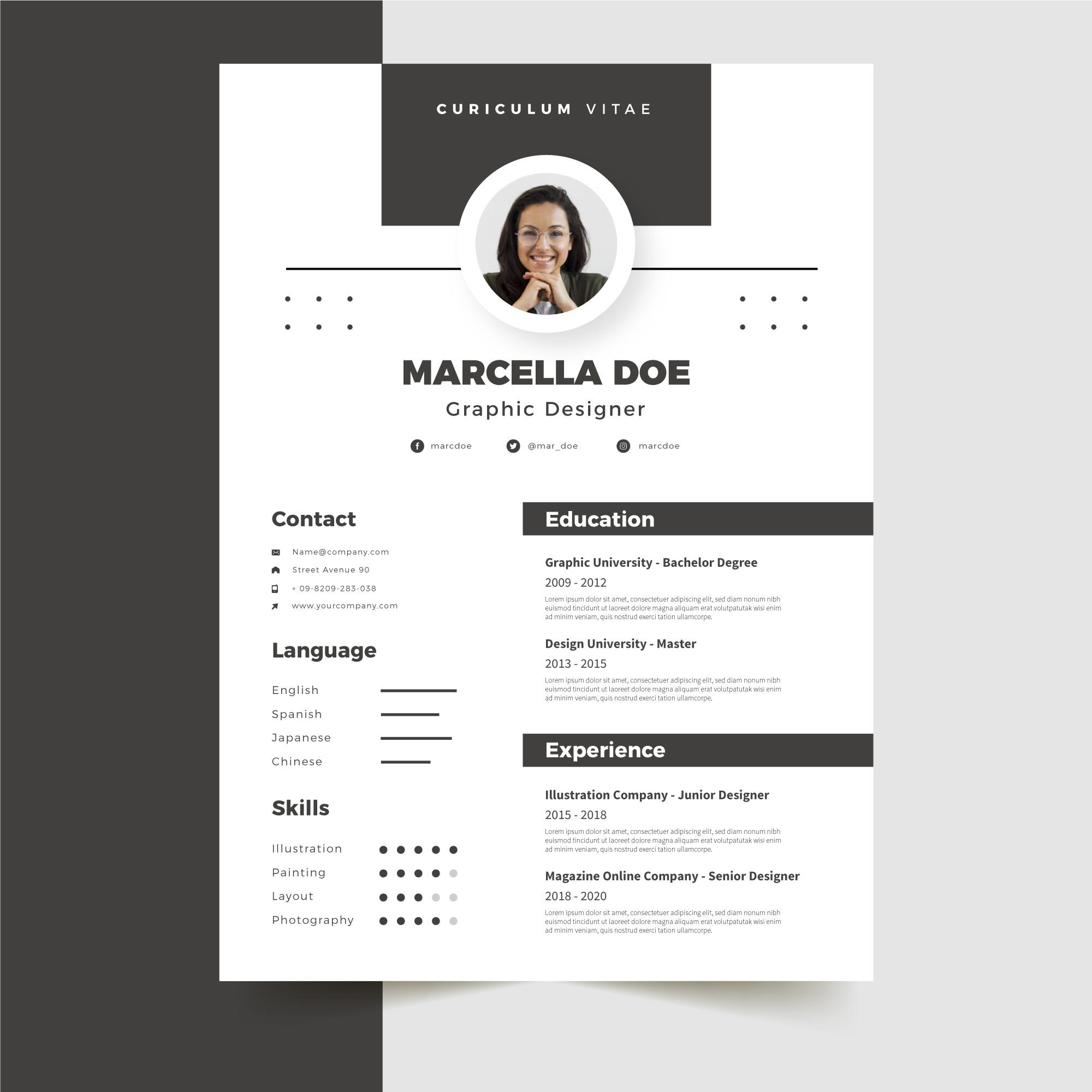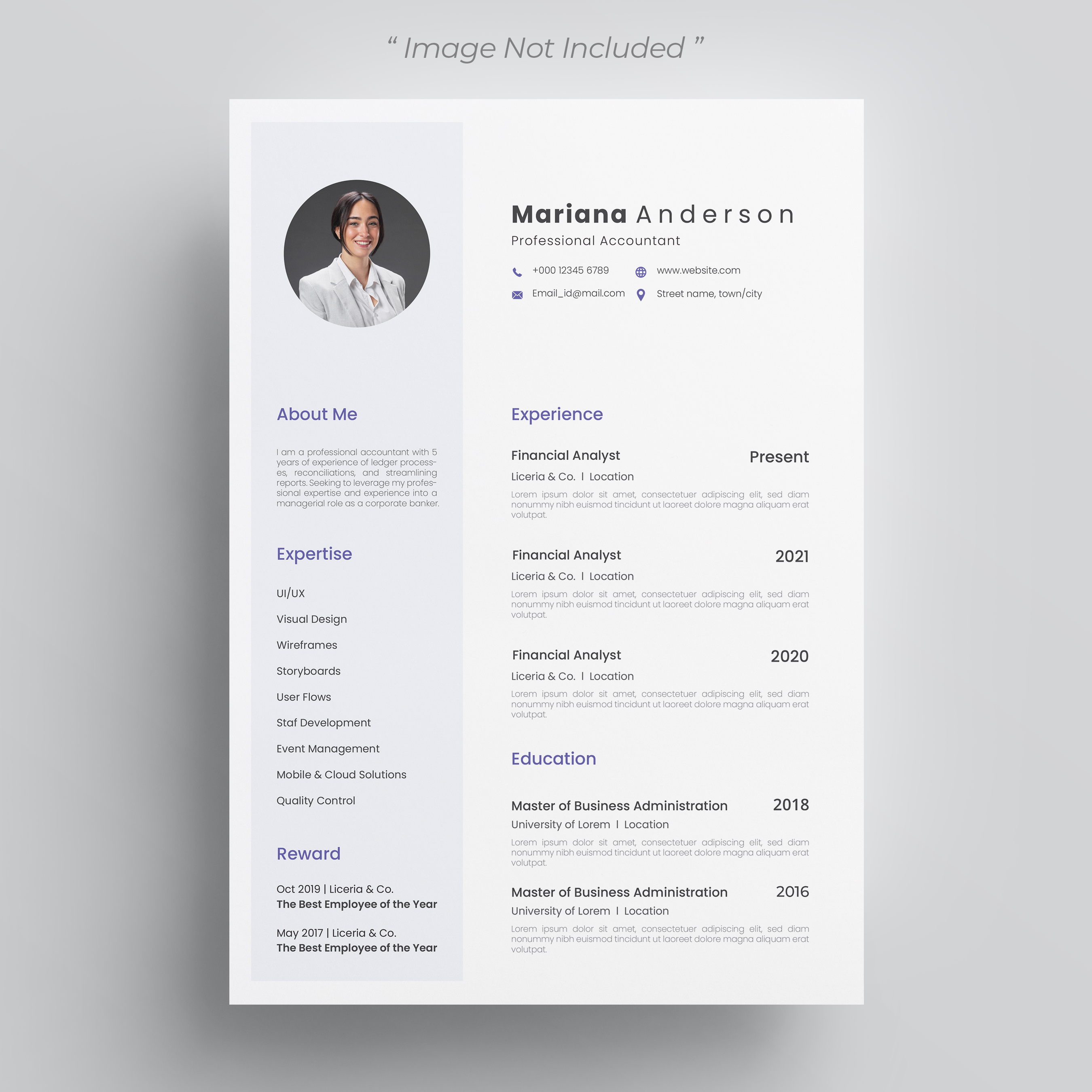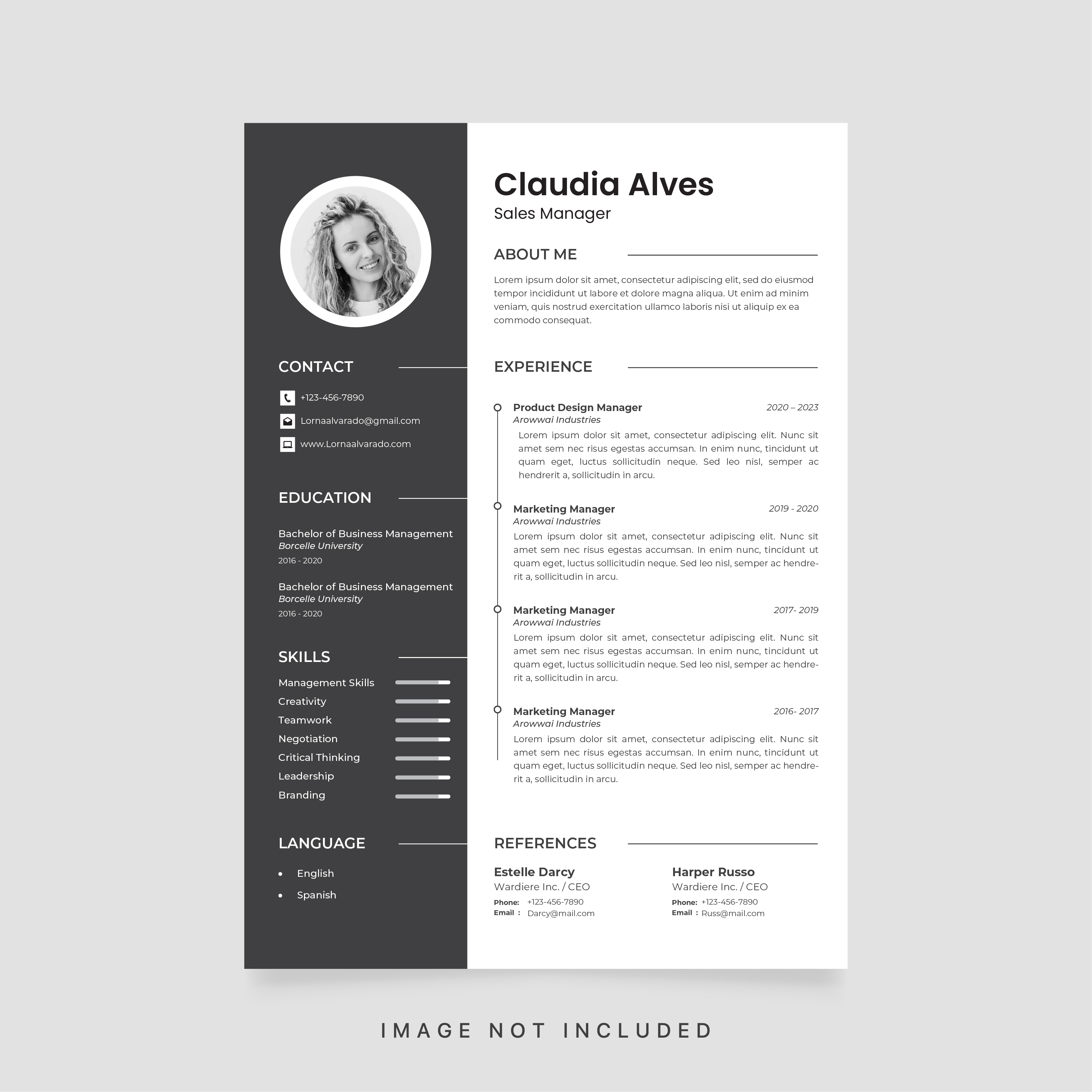
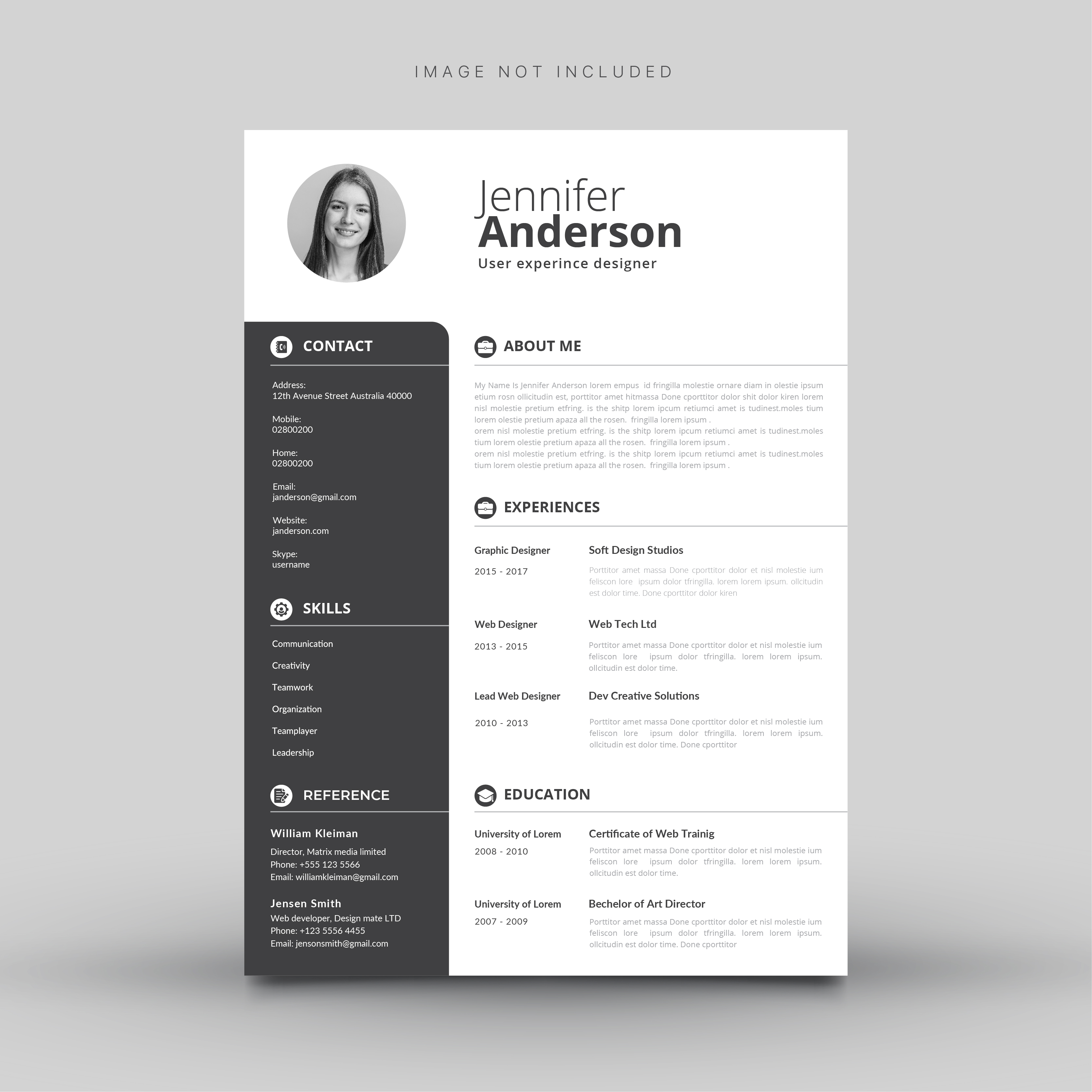
A guide to creating a standout resume that will help you attract employers and secure more interviews.
A Guide to Creating a Standout Resume to Help You Attract Employers and Get More Interviews
A resume is no longer just a piece of paper containing your name, qualifications, and previous experience. It has become a comprehensive marketing tool through which you present yourself to employers and highlight the value you can add to the job. In a job market that is becoming increasingly competitive, the way you present your skills and achievements may be the deciding factor that determines whether you advance to the interview stage or are overlooked among dozens or hundreds of other applications.
Job seekers need a resume that clearly reflects their background, showcases their strengths without exaggeration, and uses language closely aligned with the requirements of the targeted position. It should also be easy to read, visually organized, and free of unnecessary details that do not serve the purpose of the application. Therefore, creating a successful resume is not just about choosing a beautiful template, but begins with understanding your career path and transforming your experience into compelling and direct content.
What is the real purpose of a resume?
The primary purpose of a resume is not to land the job directly, but to convince the recruiter that your application deserves to move to the next stage. This stage might be a phone call, a professional test, or a personal interview. Therefore, your resume should provide concise answers to a set of important questions: Who are you? What experience do you have? What skills do you possess? What results have you achieved? And why might you be a good fit for the job?
When these answers are clear, it becomes easier for the recruiter to understand your profile and make an initial decision about you. However, if the information is scattered, written in general terms, or buried within long paragraphs, the reader may not get the right picture, even if you have strong experience.
Start by identifying the job you are targeting.
One of the most common mistakes is creating the same resume and using it to apply for every job. You may have a basic portfolio that includes all your experience, but the version you send to the employer should be tailored as much as possible to the target job.
Read the job posting carefully and identify the skills, responsibilities, and keywords that are repeated. Then review your resume and ask yourself: Does it showcase the experience that confirms my ability to perform these responsibilities? Have I used the correct professional terminology? Have I highlighted the skills most important for this job?
Customizing your resume doesn't mean inventing experiences; it means arranging the real information in a way that makes the most relevant to the job stand out first and minimizes irrelevant details.
Write your personal information professionally
Your name should appear clearly at the top of the page, followed by your professional title that reflects your specialization or the job you are targeting. Then add your phone number, email address, city of residence, and a link to your LinkedIn profile or portfolio, if applicable.
Use a simple and professional email address that includes your name as much as possible. Avoid addresses with informal titles or excessive numbers. Also, ensure your phone number is correct and include the country code if you are applying for jobs outside your home country.
Don't include sensitive personal information unless absolutely necessary. In most cases, details such as ID number, marital status, or religion are not required in a basic resume. It is sufficient to provide information that helps the employer contact you and understand your professional position.
How to Write a Strong Professional Summary?
A professional summary is a short paragraph at the beginning of your resume that highlights your most important experiences, specialization, and the value you can bring to the table. It should not be a generic statement that anyone could use, such as: "I am looking for a suitable opportunity to develop my skills and work in a distinguished environment."
A good summary is specific and mentions your years of experience or field, your most prominent skills, and the type of results you have achieved. For example: A digital marketing specialist with experience in managing advertising campaigns, analyzing performance, and developing content strategies, with a track record of improving conversion rates and reducing customer acquisition costs.
A recent graduate can focus on their academic specialization, projects, training, and job-related skills. The key is for the summary to provide a compelling reason for the reader to continue reading the rest of the resume.
Presenting Work Experience in a Way That Convinces the Hiring Recruiter
The Experience section is one of the most important parts of a resume. Start with your most recent job and work your way up to older positions. Include the company name, job title, and duration, then highlight your key responsibilities and achievements.
Don't just list tasks; try to explain the impact of your work. Instead of writing: Responsible for customer service, you could write: I handled customer inquiries, resolved daily issues, and contributed to increased customer satisfaction and reduced response times.
Use numbers when available; Because it makes achievement more tangible. You can cite growth rates, the number of clients, sales volume, the number of projects, time saved, or cost reduced. Don't use inaccurate figures, but rather data that reflects the actual extent of your contribution.
The Importance of Using Strong Verbs to Describe Experiences
Direct verbs help make experiences more powerful and tangible. Use verbs such as: developed, managed, implemented, created, improved, analyzed, coordinated, designed, reduced, increased, led, monitored, launched, contributed, and reviewed.
Begin each point with an appropriate verb, then state the task and outcome where possible. This method is better than long, indirect sentences and allows the hiring manager to quickly grasp the most important information.
Writing Educational Qualifications
Write your degree, major, the name of your university or educational institution, and your graduation year. If you are a recent graduate, you can add your grade or some relevant courses and projects. If you have extensive work experience, you can shorten the education section and focus more on your experiences and achievements.
Arrange your qualifications from most recent to oldest, and do not include older stages of study that do not offer professional value. In most cases, there is no need to include details of elementary or middle school; the most important university or professional qualification is sufficient.
Choosing the Right Skills for Your Resume
The skills section should not be a random collection of words. Choose skills relevant to the job, and divide them into technical and soft skills when necessary.
Technical skills may include software, tools, programming languages, accounting systems, or design and analysis tools. Soft skills may include communication, time management, teamwork, problem-solving, and leadership.
It is preferable to support skills with examples within the experience section. If you write that you have team management skills, your experience should show that you have led a team or coordinated work between a group of people. This way, the skill becomes more credible.
Professional Courses and Certifications
Add courses and certifications related to your field or the target job. Write the name of the course or certification, the institution that issued it, and the date you received it. Do not fill your resume with short courses unrelated to the job; too many of them may distract the reader rather than strengthen your application.
If you have a well-known certification or important professional license, place it in a prominent location. It may be appropriate to create a separate section for professional certifications, especially in the fields of technology, accounting, project management, engineering, and healthcare.
Projects and Achievements
Projects can compensate for a lack of experience, especially for students, recent graduates, and those working in creative and technical fields. Include the project name, your role in it, the tools used, and the outcome achieved.
If you have a portfolio or a link to a published project, include the link clearly. Ensure the link is functional and that the accompanying content is professional and does not contain missing files or inappropriate information.
Languages
List the languages you are proficient in, specifying a realistic level for each. You can use levels such as Native, Advanced, Intermediate, or Beginner. Avoid exaggeration, as your language proficiency may be tested during the interview.
If the job requires a specific language, highlight this language prominently and mention any relevant formal certifications.
How to Make Your Resume Compliant with ATS Systems?
Many companies use Applicant Tracking Systems (ATS) to read and filter resumes before manual review. Therefore, your resume should be well-organized, contain relevant job keywords, and use clear section headings.
Avoid overly complex designs, numerous tables, and placing important information only within images or icons. Use a clear font and save the file in the required format, usually PDF or Word, as instructed by the employer.
Read the job description and identify the required technical terms, titles, and skills. Then, use appropriate language naturally throughout your resume. Avoid annoying repetition of words and don't add skills you don't possess just to pass the system.
Formatting and Design
Good design enhances readability and doesn't overwhelm the content. Use comfortable white space, clear headings, an appropriate font size, and limited colors. The sections should be arranged logically, and the most important information should appear quickly.
In formal settings, a simple design is preferable. Creative settings may allow for a more distinctive look, but the document should still be easy to read and suitable for printing, mobile devices, and computers.
How many pages should a resume be?
There is no one-size-fits-all rule. A recent graduate can often fit their information into one page, while someone with experience might need two. The most important thing is not to add information just to increase the number of pages, and not to omit important achievements just to fit into one page.
Make every line serve the purpose of the application. If there is past experience that is not related to the current path, you can shorten it. If you have important projects and achievements, give them the appropriate space without repetition.
Mistakes that Reduce Your Chances of Resume Acceptance
- Incorrect spelling mistakes or contact information.
- Using the same resume for all jobs without personalization.
- Writing general career objectives that don't demonstrate professional value.
- Listing tasks without mentioning results or achievements.
- Using a design that is difficult for ATS systems to read.
- Adding fictitious experience or skills.
- Using an unprofessional or unnecessary photo.
- Submitting the file with an unclear name.
- Including excessive details irrelevant to the job.
- Not updating your resume after gaining new experience.
Reviewing Your Resume Before Submitting
Review each section and ensure consistency in dates, fonts, and writing style. Titles. Read the resume aloud to identify any unclear sentences. Ask someone you trust to review it, especially if they have experience in recruitment or your field.
Open the file on both your phone and computer to ensure the formatting hasn't changed. Use a professional filename such as: Full Name followed by Job Title or the word CV. Avoid generic filenames like document or cv-new-final-2.
Why You Might Need a Professional Resume Writing Service?
You may have excellent experience but find it difficult to express or organize it within your resume. A professional service helps analyze your work background, identify your strengths, choose the right words, and transform everyday tasks into clear achievements.
It also saves you time and provides you with a well-organized resume tailored to your target job. However, the quality of the service depends on providing accurate and complete information, collaborating on the final version, and avoiding exaggerated statements or fabricated experiences.
Get a professional CV ready for application
If you want to improve your chances of landing job interviews, you can request a professional CV preparation service that showcases your experience and skills clearly and convincingly. The content is organized, the wording is optimized, the appropriate keywords are chosen, and the design is prepared in a way that helps the recruiter quickly access your most important information.
This service is suitable for students, recent graduates, experienced professionals, and those who wish to change careers or apply for jobs within Saudi Arabia, the Gulf countries, and international markets. The CV can be prepared in Arabic, English, or both, according to your needs.
To get the service and start preparing your CV, click on the product link at the end of the article and submit your information, experience, and qualifications. The more accurate and complete the information you provide, the more the final result will reflect you and your career path.
Frequently Asked Questions about Resumes
Should I include a personal photo?
This depends on the country, the field, and the employer's requirements. If a photo isn't required, you can omit it. If you do include one, it should be professional and clear.
Should I list all my previous jobs?
Include the most relevant experiences. Older or less relevant jobs can be omitted, especially if you have extensive experience.
Should I submit my resume as a PDF?
PDF is generally suitable for preserving formatting, but follow the job posting instructions; some systems may require a Word file.
Do I need a different resume for each job?
It's best to tailor the basic version to focus on the skills and experience most relevant to each job.
Are keywords important?
Yes, especially with ATS systems, but they should be used naturally and honestly within the summary, experiences, and skills.
In conclusion
A successful resume combines authentic content with clear writing and appropriate formatting. Start by understanding the job, then select experiences and skills that demonstrate your suitability, write your accomplishments directly, and proofread the document before submitting.
Don't consider your resume a static document; update it with every new experience, project, or certification. The more accurate and personalized it becomes, the better it will represent you and increase your chances of landing an interview.